A place in Sharjah’s knowledge landscape
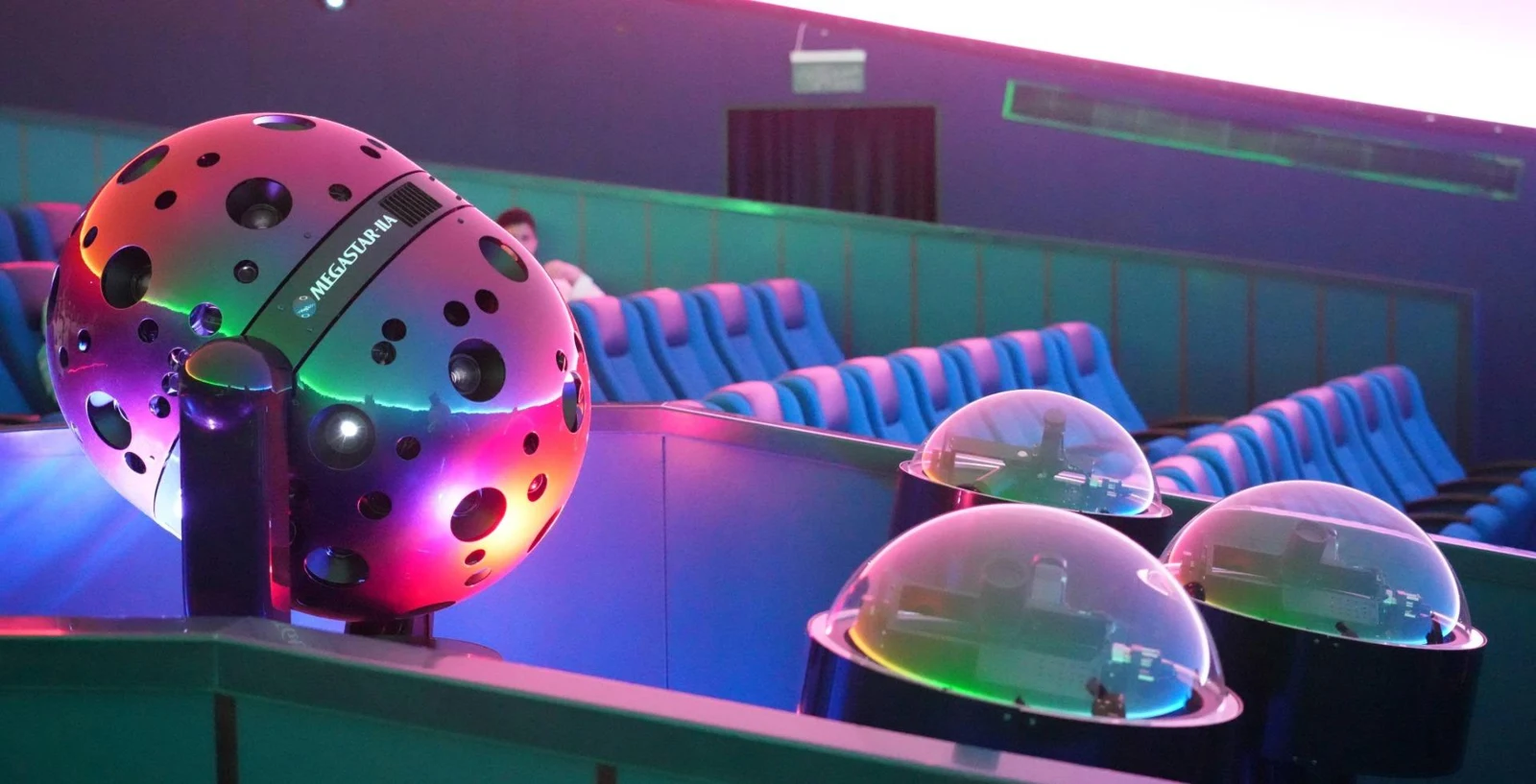
The University of Sharjah’s SSAH pages connect space-science activity with the Sharjah Planetarium, scientific exhibitions and research facilities. The planetarium overview describes public and student learning through astronomical simulation and presentation. The existence of laboratories or observatories does not establish unrestricted public access to them. Use the current show and reservation information for a visit, and contact the institution separately about specialist or academic access.
What a learner can investigate
Astronomy is a useful setting for distinguishing an observation, a model and an inference. A planetarium can present a sky or a journey that no visitor directly experiences at that moment. Ask what the simulation represents, what information supports it and how a researcher would test a related claim. Wonder and disciplined reasoning can reinforce one another.
Students can also connect space science to subjects they already study: geometry, light, motion, data handling and communication. The useful bridge is a specific question rather than a vague promise of a future career. Ask how an interest could develop through mathematics, physics, computing or another relevant subject, while keeping programme admissions separate from a public visitor experience.
An independent learning route
Independent learning route: before a show, write one question about the sky that can be investigated. Afterwards, identify one part that was a visual representation and one claim that could be checked through observation or a reliable scientific source. Produce a short explanation that states the difference.
Check the current reservation page for age conditions, show language, dates and access arrangements. A school or university group should request the appropriate booking route, confirm supervision and ask whether the visit includes anything beyond the planetarium. This proposed exercise is editorial, and no laboratory tour, research placement or institutional partnership is implied.
Plan around a clear learning purpose.
Define the age group, subject, language, visitor number and intended outcome, then ask the venue about access, booking, current hours and charges. A description of collections or facilities does not establish unrestricted availability to every visitor.
Before a visit, prepare a question; during it, gather observations; afterwards, discuss what changed in the learner’s understanding. A teacher can connect the experience to a small classroom task with clear evidence. These suggestions are not booked institutional programmes or existing collaboration agreements.
Original references.
Last checked: 31 October 2026. Confirm changing visit details directly.